Put a paddle into the Wolastoq, and you are joining a very long line.
Few places in Canada can trace a paddling tradition as deep and unbroken as the rivers and lakes of the greater capital region. The canoe was perfected here, passed from one culture to the next here, and eventually turned into an industry here that supplied the world. When you paddle the Wolastoq and its tributaries today, you are not just enjoying a beautiful river; you are participating in a tradition that has shaped this place for thousands of years.
The river has been known by many names. The Wolastoqiyik — the People of the Beautiful River — gave it the name it has always carried: Wolastoq. When French navigator Samuel de Champlain first encountered it in 1604, his crew couldn't agree on what the local people called it, so, since they'd first spotted it on St. John the Baptist's feast day, they settled the argument by calling it the Saint John River. Both names still belong to it.
Champlain himself never made it this far up the river — he couldn't navigate his ship past Reversing Falls — but he recorded Chief Chkoudun's description of it: “it is beautiful, large, and extensive, with many meadows and fine trees, as oaks, beeches, walnut-trees and also wild grape-vines. The inhabitants go up this river to Tadoussac, on the great St. Lawrence.”
That account, given by an Indigenous river traveller to a puzzled European on the shore, may be the oldest written description of the Wolastoq we have.
The Canoe Tradition
The Wolastoqiyik have travelled this river since time immemorial. Their birchbark canoes, built from materials harvested along the river's own shores, were engineering marvels: light enough to portage, strong enough to carry a family and everything they owned.
Sakom Gabe — Gabriel Acquin, the legendary Wolastoqey hunter, guide, and interpreter who founded Sitansisk (St. Mary's First Nation) — recounted the river’s origin story to UNB's Dr. Edward Jack in 1893: "Glooscap was a spirit. He could do anything. When Glooscap came out of the woods to the St. John River, he found a dam at its mouth." Finding this dam, located at Neqotkuk (Tobique), to be "very big and very dangerous," Gabe continued, Glooscap "broke the dam down," allowing the Wolastoq to flow.
No figure embodies the paddling tradition of the Wolastoq more completely than Sakom Gabe, who is today recognized as a Canadian National Historic Person.
One of the many remarkable moments in his life saw him paddle off down the river with a runaway crown prince, the future King Edward VII.
Gabe and the Prince
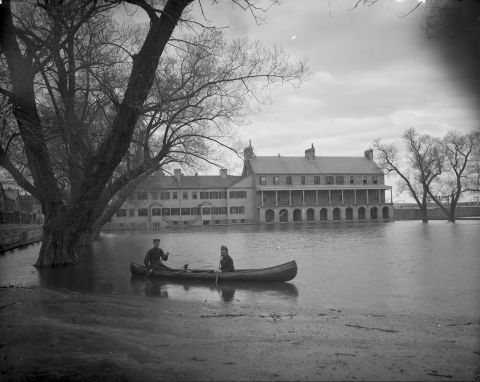
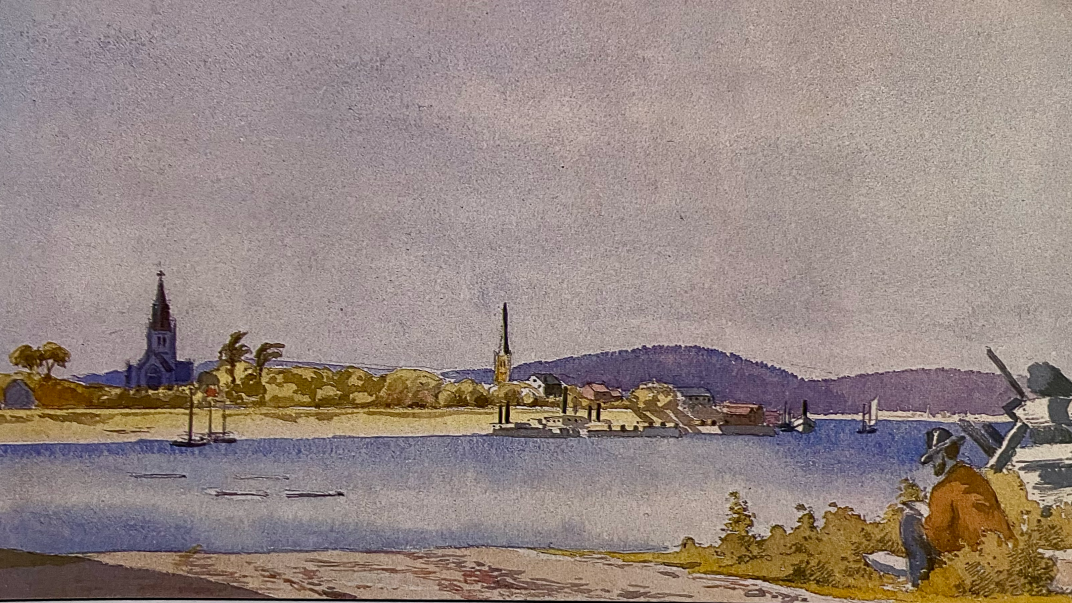
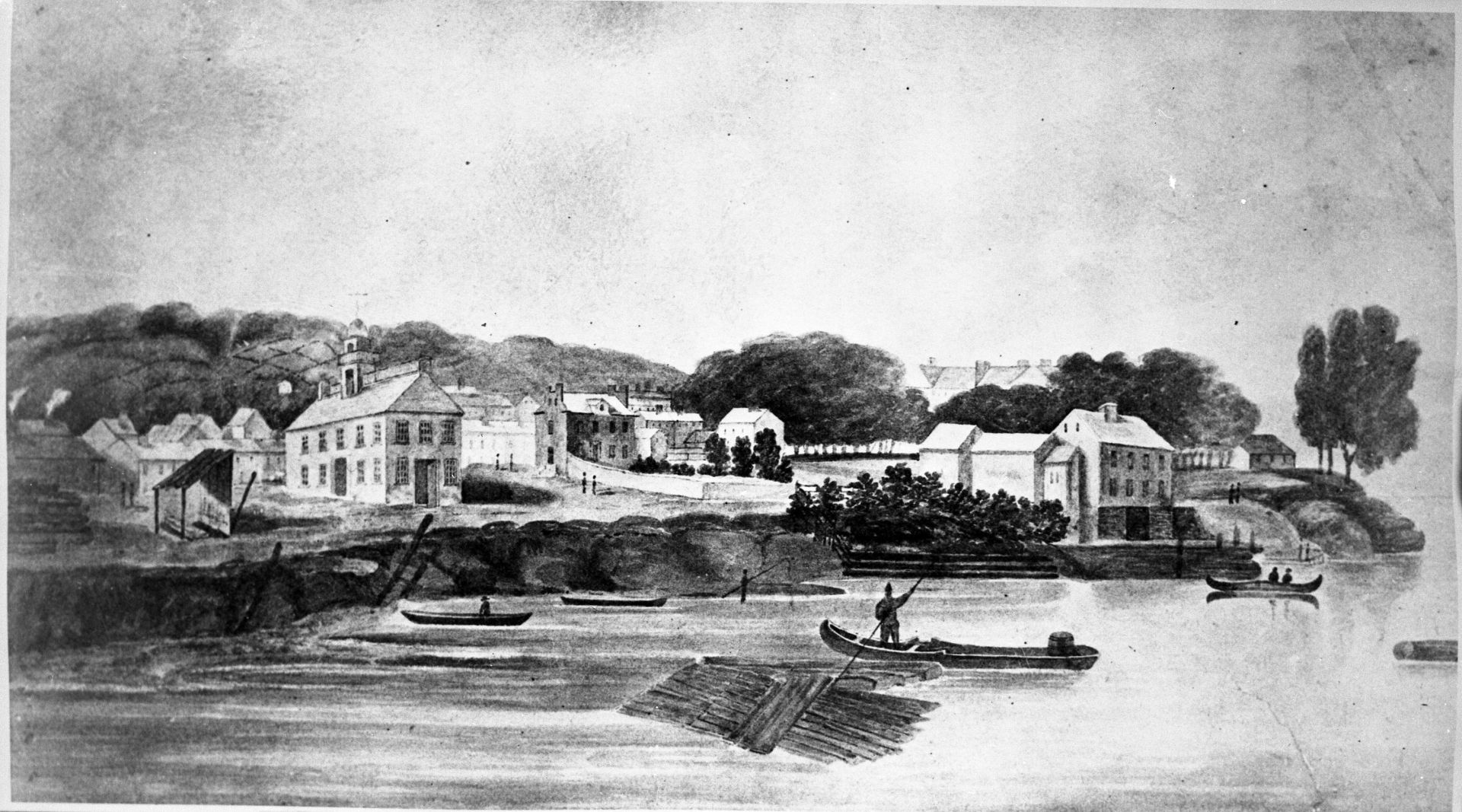
In August of 1860, the eighteen-year-old Prince of Wales arrived in Fredericton during Canada's first Royal Tour. The city put on a grand welcome, with a parade route boasting three triumphal arches, and decorated homes and shops. Houses deemed insufficiently attractive were covered up with tree branches. Six thousand residents gathered at the new wharf to greet him with what the Fredericton Head Quarters described as "deafening cheers."
The Prince hosted a grand Levee at Government House the next morning. Speeches were delivered by local dignitaries. At some point, the Prince became distracted. He had spotted something on the river.
It was Gabe, paddling his canoe.
The young Prince darted out the door and down the lawn. According to oral histories recorded by Carole Spray and Dr. Peter Paul in the New Brunswick folklore collection Will O' The Wisp:
"You there," he called out. "Come over here. Who are you anyway? And what kind of a boat is that?"
"I'm Gabe, and this here is a canoe. It is made from the bark of a birch tree. Get in, Prince. I will show you how to paddle."
"Yes indeed," replied the Prince. "That is precisely what I intend to do."
As they set off, the Prince's entourage of advisors, officials, and guards ran along the bank shouting for him to return. The Prince told Gabe to paddle faster. They made their way along the full length of Fredericton's waterfront and up to the mouth of the Nashwaak River, spending several hours on the water … much to the Prince’s entourage’s horror!
A Victorian on the Water
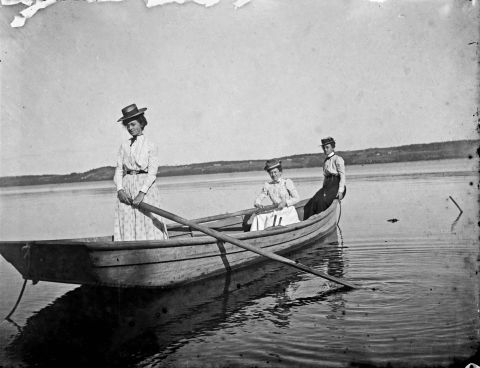
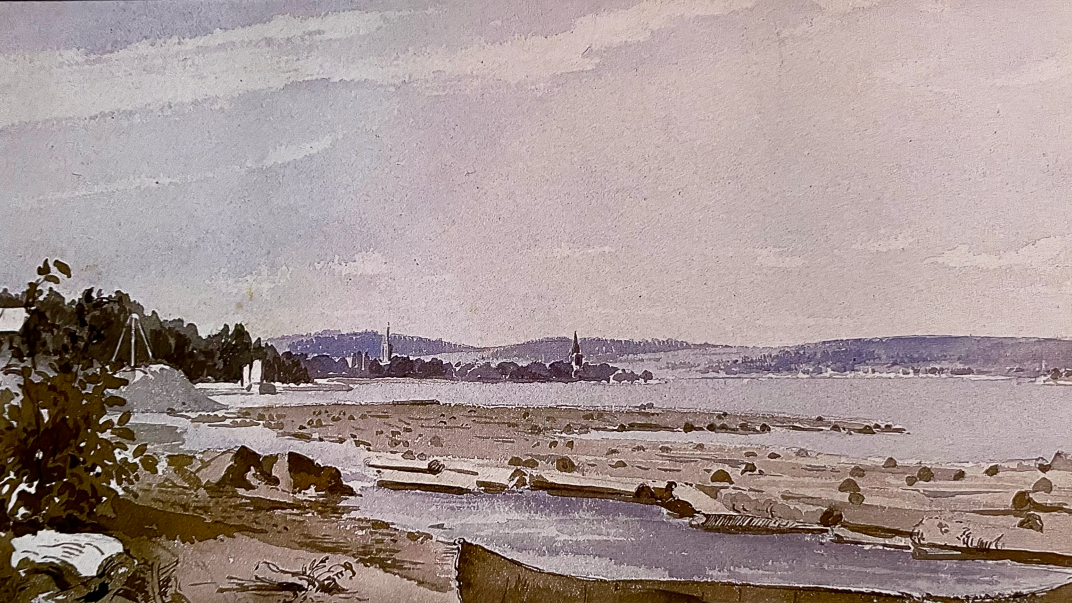
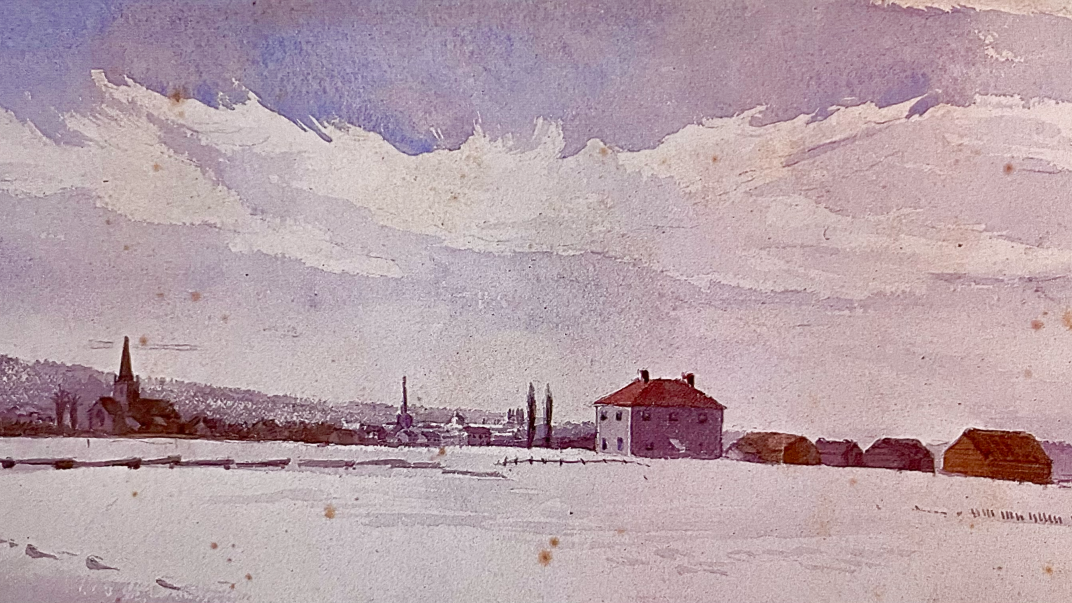
In 1867, as Canada was being formed, the British garrison based in Fredericton’s Soldiers’ Barracks and Officers’ Square counted among its officers Alexander Ewing. His wife was Juliana Horatia Ewing, a celebrated author. They lived on Waterloo Row, and from the moment she had seen the river, Juliana had been besotted, writing:
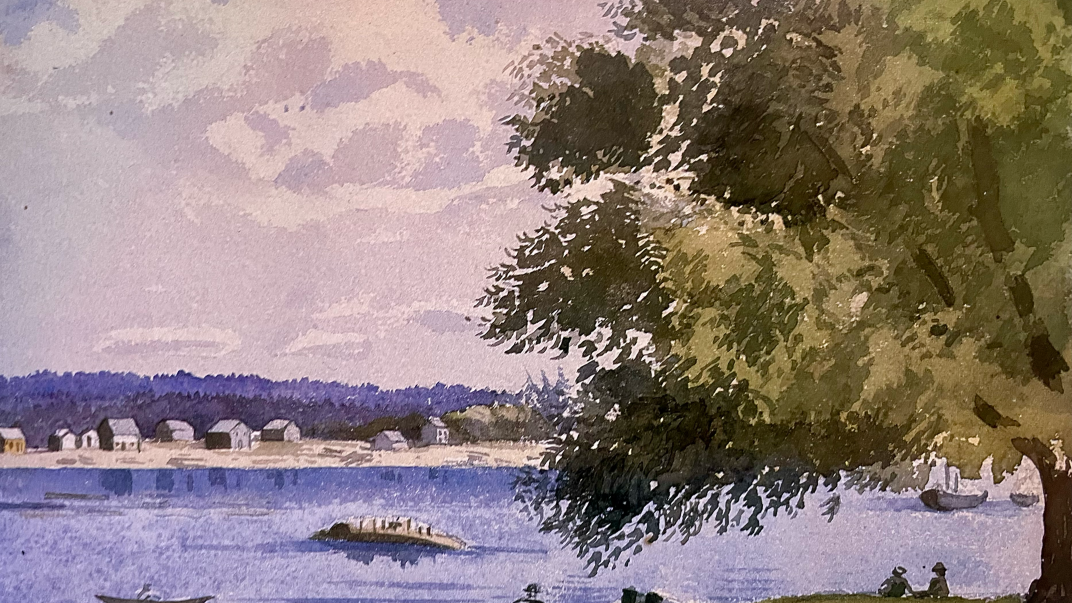
“Fredericton is on the river, and all by the riverside it is lovely, and we have not yet been able to decide by what lights and at what time of day it looks most beautiful. Very fine willows grow on the bank, and the fireflies float about under them like falling stars. The moonlight and starlight nights are splendid, and the skies are particularly beautiful.”
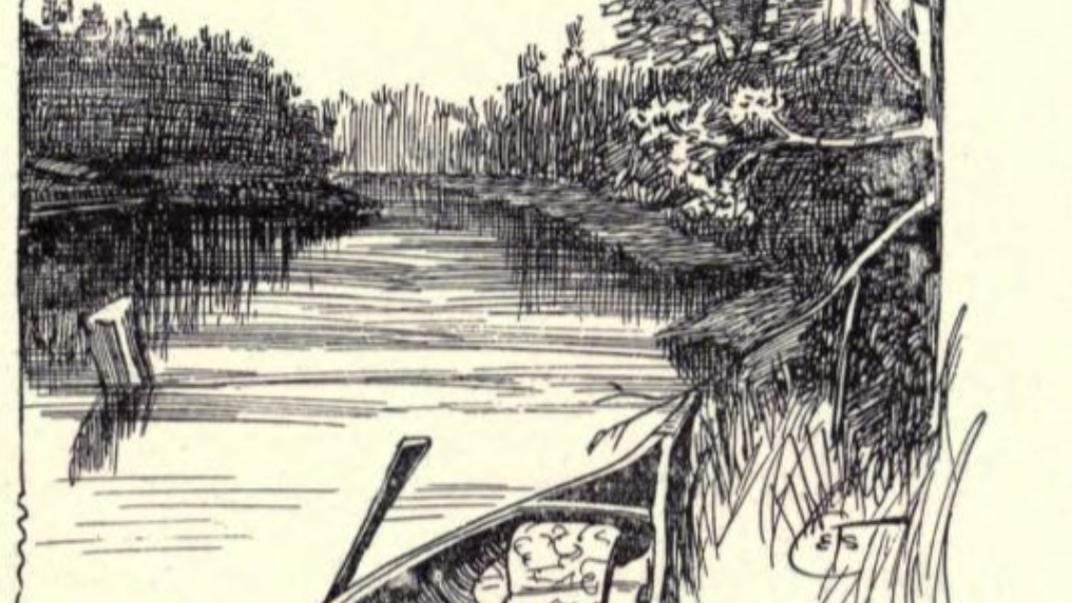
That summer, she discovered canoeing, introduced to it by master canoe-maker Peter Polchies of Sitansisk (St. Mary's First Nation). "It really is the most fascinating amusement we have tried yet," she wrote home to England. "Doesn't it seem funny to you to fancy me paddling on a great, beautiful river like this?"
Juliana developed her own singular style on the water — one that Frederictonians found, she noted with amusement, "dreadfully unladylike." She would paddle upriver alone from the Fredericton waterfront, then set down her paddle and drift back downstream, sketching the city, writing letters, or working on her books, then paddle up and do it all again, spending entire days this way. One concerned local wrote to her husband: "We have long feared that your dear wife would break down under the mental strain of writing…"
Juliana and Alexander would hire a wagon and driver to take them as far upriver as Meductic and slowly canoe home, often stopping for elaborate picnics with bottles of wine. "We left here at 5.15 A.M.," Juliana wrote of one such trip. "It was lovely — though the 'black fly' hardly left us alive!"
A River Culture Takes Root
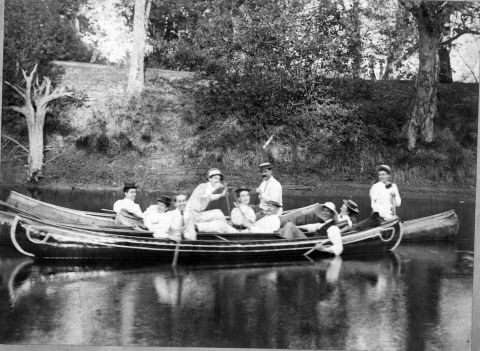
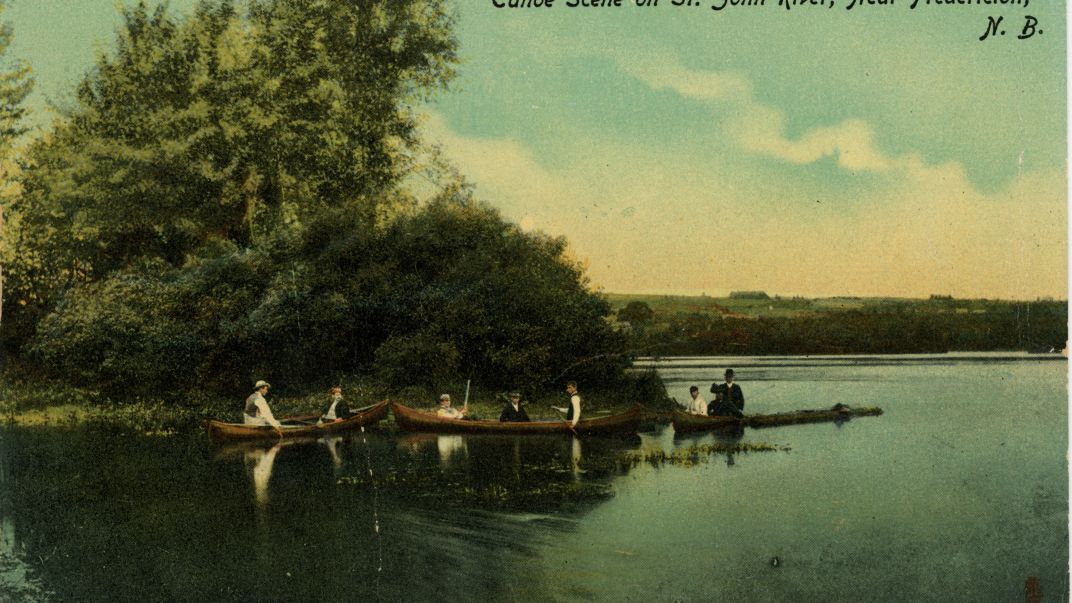
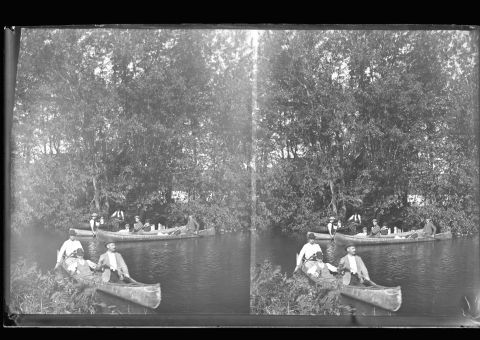
Juliana was an early adopter, but by the 1890s, she would have had a great deal of fellow paddlers out on the river. A whole network of riverside camps and lodges had sprung up around Fredericton, where the growing middle class could spend time on the water. One of the earliest and most celebrated was Camp Comfort. Built in 1895 in Springhill, it featured a network of treehouses connected by wooden bridges high among the branches. Within five years, at least eleven similar camps had appeared around the city.
The camps were mostly members-only, but as reporter Frank Risteen noted in his 1897 Fredericton tourism brochure The Celestial City, they would welcome strangers "if they were good fellows." He described the scene:
"These camps are mostly built of logs after the most approved woodland pattern, with a large open fireplace at one end; the bill of fare included the inevitable pork and beans; the leading social spirits of the younger generation are sure to be represented there; the scenic surroundings are delightful; and a day spent in one of these rustic retreats will long be remembered."
The Changing Canoe
Twenty years after Peter Polchies built Juliana her canoe, a young man from Ohio named Tappan Adney came up the river for a brief vacation and met a Wolastoqey master canoe maker named Peter Joseph — Pete Jo, as he was known. Adney was struck by how different Pete Jo’s traditional birch bark canoes were from those built by white people, who, Adney explained in a 1900 essay in Outside magazine, had “the habit of throwing things together with nails and tacks, instead of patiently sewing root and fibre.”
Adney spent years documenting these techniques, fearing that the tradition was disappearing: “The time is not far distant when the birch canoe will exist only in museums, and in the memory of lovers of wood-craft.”
He was partially right. But he had not foreseen those birchbark lines being reborn on the banks of the Wolastoq and spreading across the continent.
The Chestnut Canoe Company
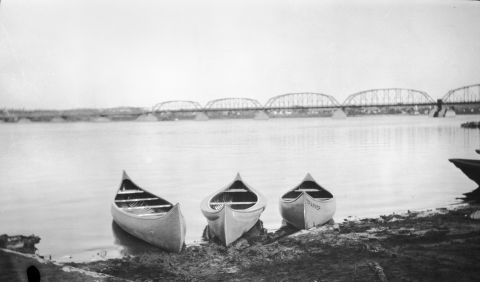
Two brothers, William and Harry Chestnut, who had inherited their family's hardware business on York Street in Fredericton, set out to build a new kind of canoe — combining the sturdiness of the wood-and-canvas construction then emerging from Ontario with the sleeker lines of the Wolastoqey birchbark. The announcement in the Daily Gleaner in 1904 was almost apologetic, noting they were making canoes simply because "there are no experienced canoe builders in the city, and all men need to learn the business."
Within a decade, the Chestnut Canoe Factory had become the largest enterprise of its kind in the British Empire, producing 1,200 canoes annually by 1914. Built from local cedar and ash, its lines descended directly from the birchbark canoes Pete Jo had built on these same riverbanks. American President Theodore Roosevelt purchased Chestnuts for a South American expedition. The canoe born from a Wolastoqey tradition on the Wolastoq had gone out to paddle the rivers of the world.
From the very beginning, this river was meant to be travelled on, not just looked at. Every paddler who sets out on the Wolastoq today is inheriting that tradition. The river has not forgotten any of its paddlers. It simply waits for the next ones. When you put a paddle into the Wolastoq, the line you are joining is longer than you know.