Wetland Animals of the Wolastoq
The Wolastoq watershed (Saint John River) is abundant with wetland animals. There’s nothing quite like being close enough to hear the flapping wings of a Great Blue Heron as it passes overhead or see a Bald Eagle swoop in to take a fish.
These moments are what makes paddling here special. The river, its wetlands, backwaters, and lakes support a wide variety of wetland animals—from birds and mammals to fish and reptiles. Moving quietly by canoe or kayak places you at their level, offering exceptional viewing opportunities.
Birds
Great Blue Heron
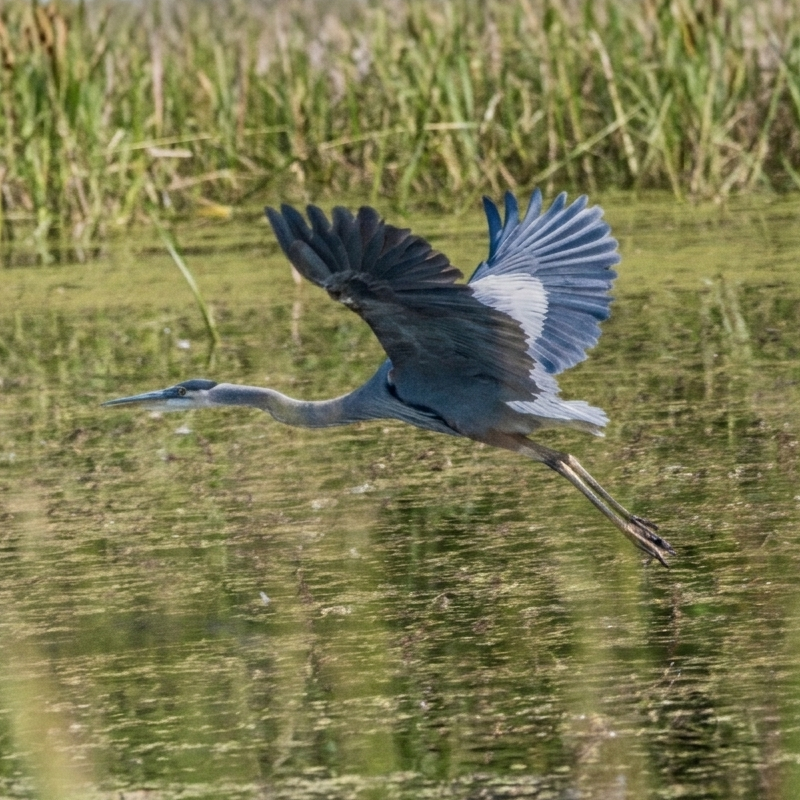
Still endangered in some areas, the Great Blue Heron is one of the most frequently encountered wetland birds in the watershed. Herons stand motionless in shallow water along shorelines, wetlands, and flooded edges, waiting to strike fish or frogs. They feed mainly on fish but will also eat amphibians and small mammals. Great Blue Herons belong to the heron family (Ardeidae) and nest in large colonies called rookeries, often high in trees. Despite their large size, they are relatively light‑bodied, which allows their slow, graceful flight. Adult Great Blue Herons have a wingspan of about 1.8 metres (6 feet), making them one of the largest wading birds paddlers will encounter on the river. They are most active in early morning and late afternoon.
Bald Eagle
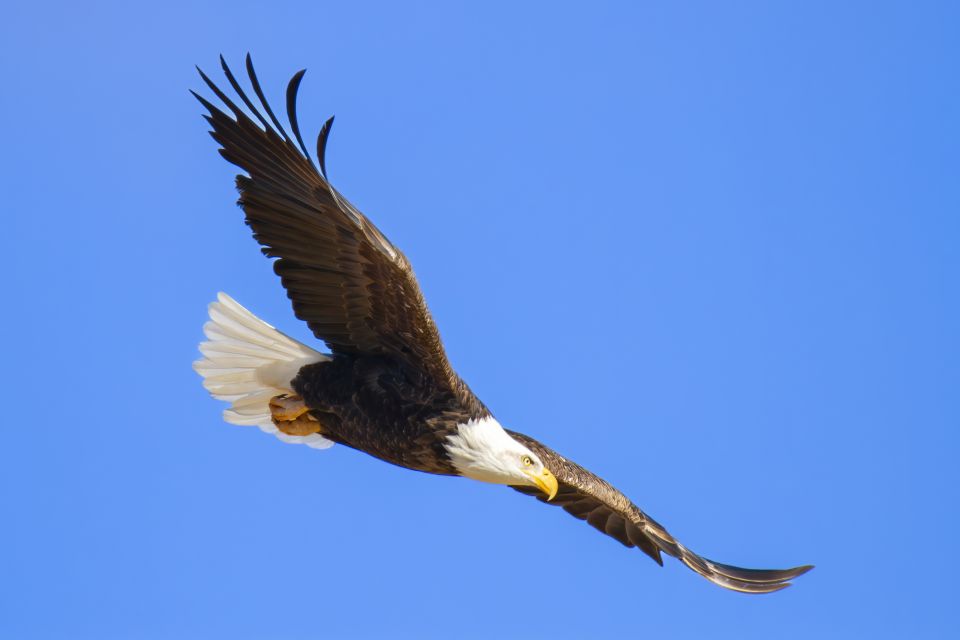
A common and impressive wetland predator seen along rivers and lakes, especially where large fish are present. Adults have unmistakable white heads and tails, while younger birds are mottled brown for several years before reaching adult plumage. Bald Eagles are diurnal raptors with hooked beaks and powerful talons adapted for grasping fish and waterfowl. They build the largest nests of any North American bird, reusing and enlarging them each year. Eagles are often seen soaring with nearly flat wings as they scan for prey. Adult Bald Eagles have a wingspan of about 2 metres (over 6.5 feet), making them the largest birds of prey most paddlers will see along the river. Calm, clear days offer the best viewing.
Osprey
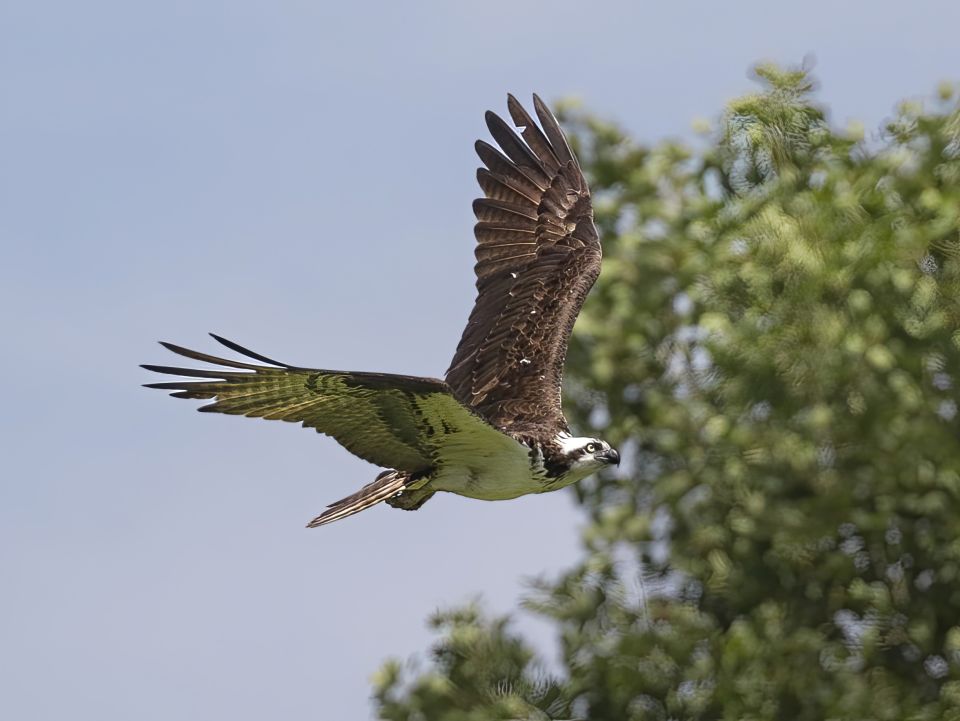
A fish‑eating raptor closely tied to open water and wetland food webs. Ospreys hover briefly before diving feet‑first to catch fish near the surface, a behaviour that makes them easy to identify while paddling. They are brown above and white below, with a distinctive dark eye stripe that runs from the bill through the eye. Their long, narrow wings are slightly angled when flying or gliding. Ospreys belong to their own family (Pandionidae), reflecting their specialized fish‑eating lifestyle, and have reversible outer toes and spiny foot pads to grip slippery prey. Adults have a wingspan of about 1.6 metres (just over 5 feet). Ospreys nest on tall platforms, poles, and trees near water and reuse their bulky stick nests year after year. Their presence almost always indicates healthy wetland fish populations.
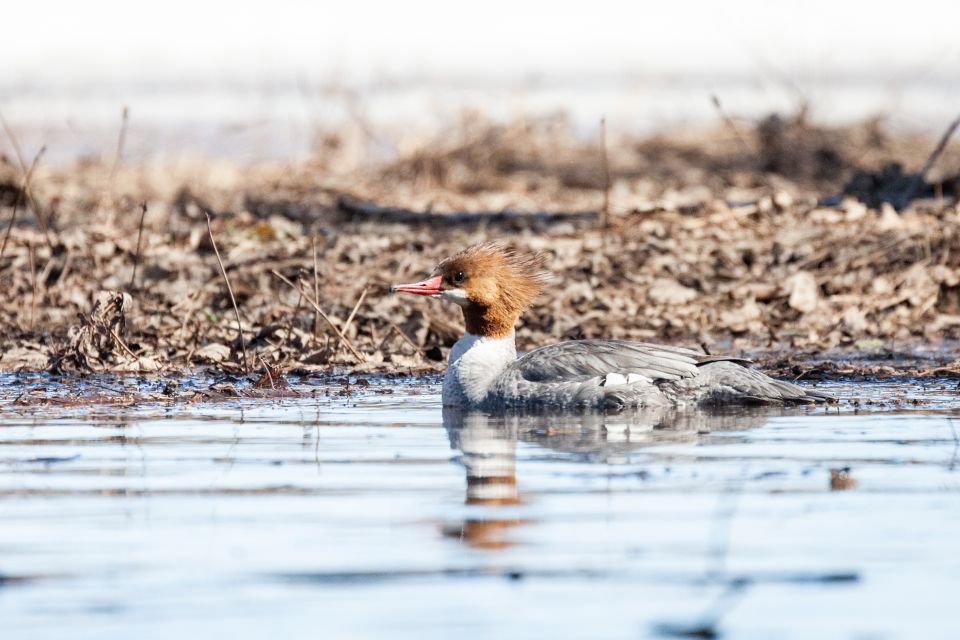
Common Merganser
A large freshwater diving duck often seen on rivers, lakes, and wetland backwaters. Mergansers specialize in catching fish, using narrow, serrated bills to hold slippery prey. Males and females show strong sexual dimorphism, meaning they have very different appearances. Females often lead long lines of ducklings later in the summer. They typically nest in tree cavities rather than on open ground. Clear water improves their hunting success.
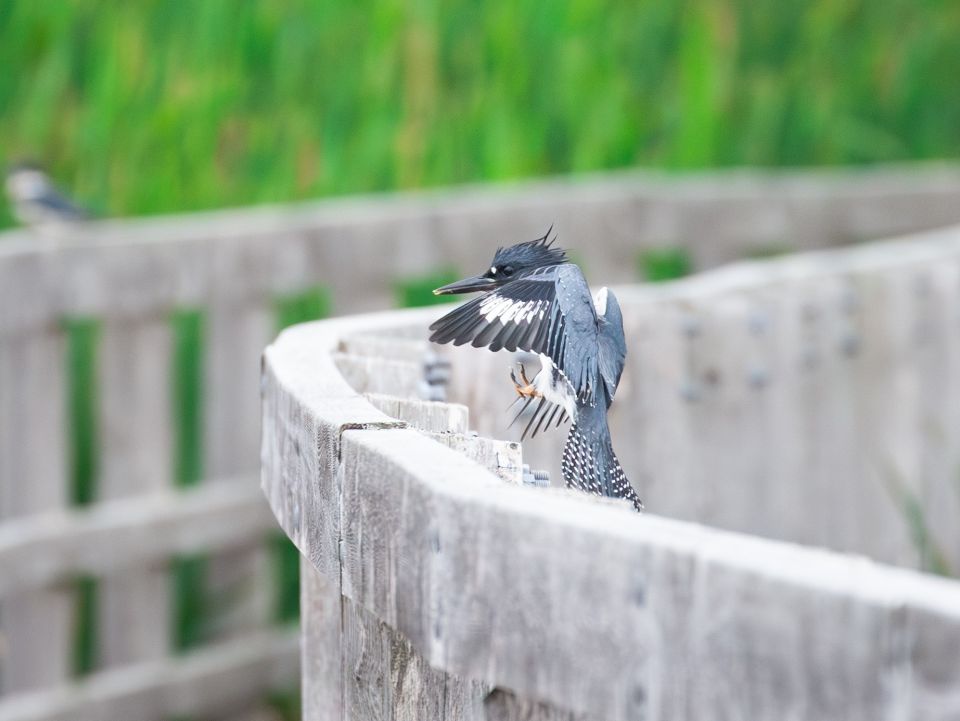
Belted Kingfisher
A distinctive wetland shoreline bird that dives headfirst into the water to catch fish. Kingfishers hunt from perches overlooking water and swallow their prey headfirst while flying. Females are more brightly patterned than males, an unusual trait among birds. They nest in tunnels dug into sandy or earthen banks along rivers. Their loud, rattling call often gives them away before they are seen. Fast, direct flight is characteristic of this species.
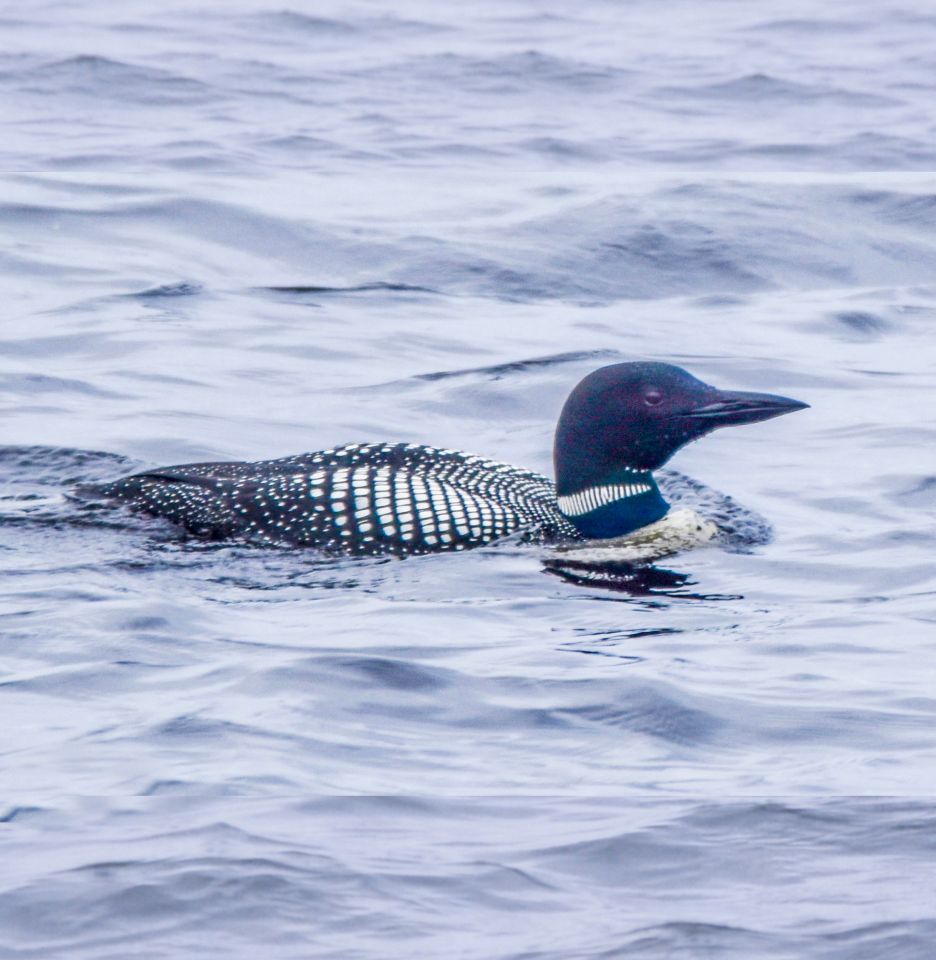
Common Loon
A striking wetland diving bird best known for its haunting calls. They are often seen in lakes throughout the watershed. Loons are adapted for underwater hunting, with legs set far back on their bodies for powerful swimming. They feed mainly on fish and can remain submerged for long periods. In summer they display bold black-and-white plumage, while winter plumage is grey and subdued. Loons require clear water to hunt effectively. Calm mornings and evenings provide the best viewing conditions.
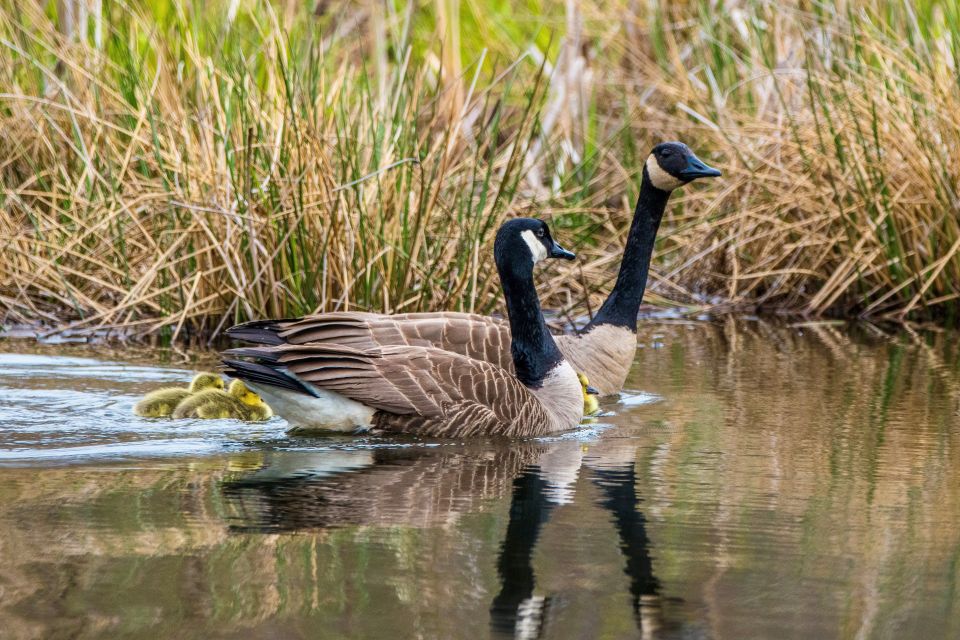
Canada Goose
A widespread and familiar wetland waterfowl species found on lakes, rivers, marshes, and shorelines. Canada Geese feed on grasses, aquatic plants, and shoreline vegetation. They form long-term pair bonds and are attentive parents. Nests are usually placed close to water on the ground. Geese are active throughout the day and may be aggressive when defending goslings. Their loud honking calls carry far across open water.
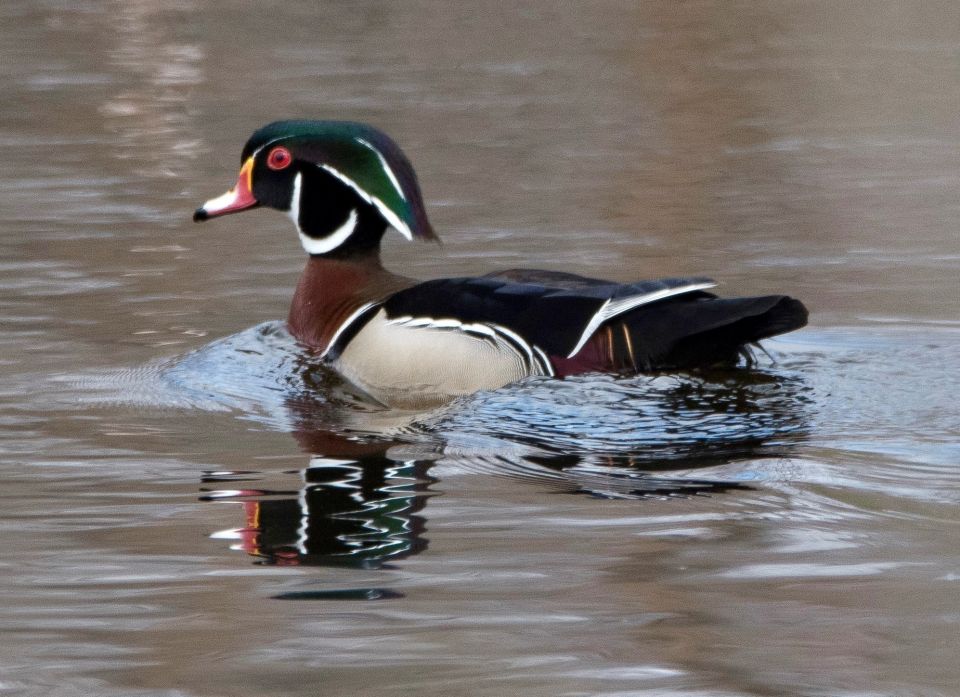
Wood Duck
A colourful forest-associated wetland duck found in quiet backwaters. Wood Ducks rely heavily on tree cavities for nesting and readily use nest boxes. Their diet consists mostly of seeds, acorns, and aquatic vegetation. Ducklings jump from nest cavities shortly after hatching, guided by the female below. Males display some of the most intricate plumage of any North American duck. They are most often seen in sheltered wetland areas.
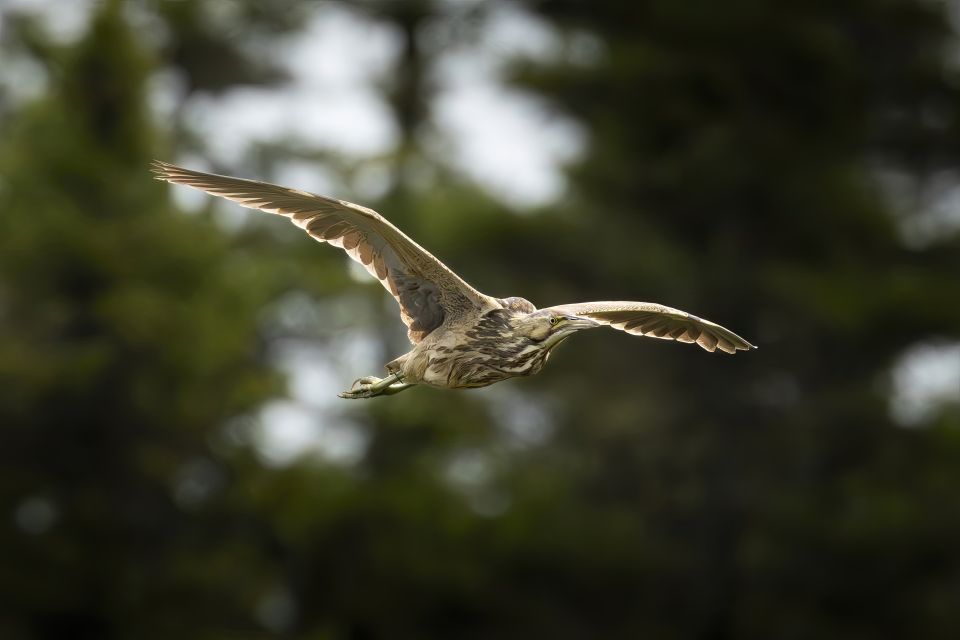
American Bittern
A secretive wetland marsh bird that relies on camouflage for protection. American Bitterns feed on fish, frogs, and aquatic insects. When threatened, they point their bill upward and sway to mimic reeds. Their deep, pumping call is used during the breeding season to attract mates. Bitterns prefer dense marsh vegetation and are more often heard than seen. Spotting one usually requires patience and close observation.
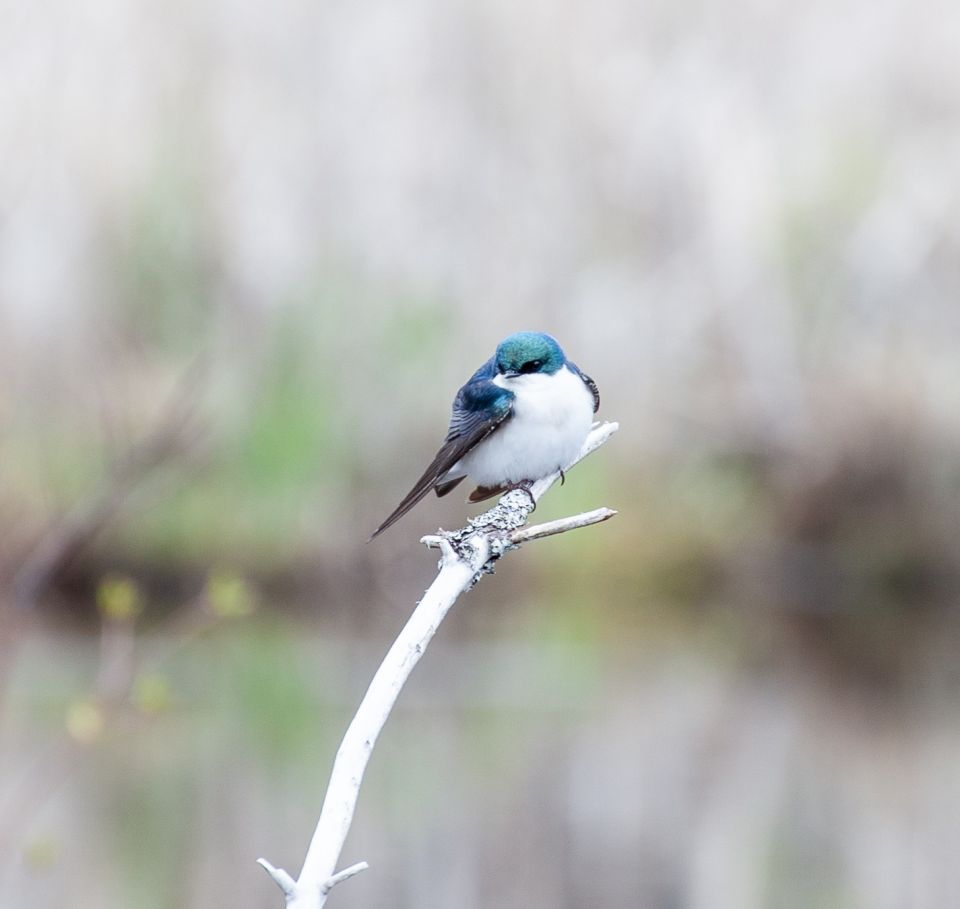
Swallows (Barn, Cliff, Tree, and Bank)
A group of aerial wetland insect-eating birds commonly seen over water. Swallows feed exclusively on flying insects caught in flight. Different species nest under bridges, in buildings, tree cavities, or burrows dug into sandy banks. Several species have declined due to habitat loss and reduced insect populations. They are most active on warm, calm days. Their constant motion adds life to summer paddles.
Mammals
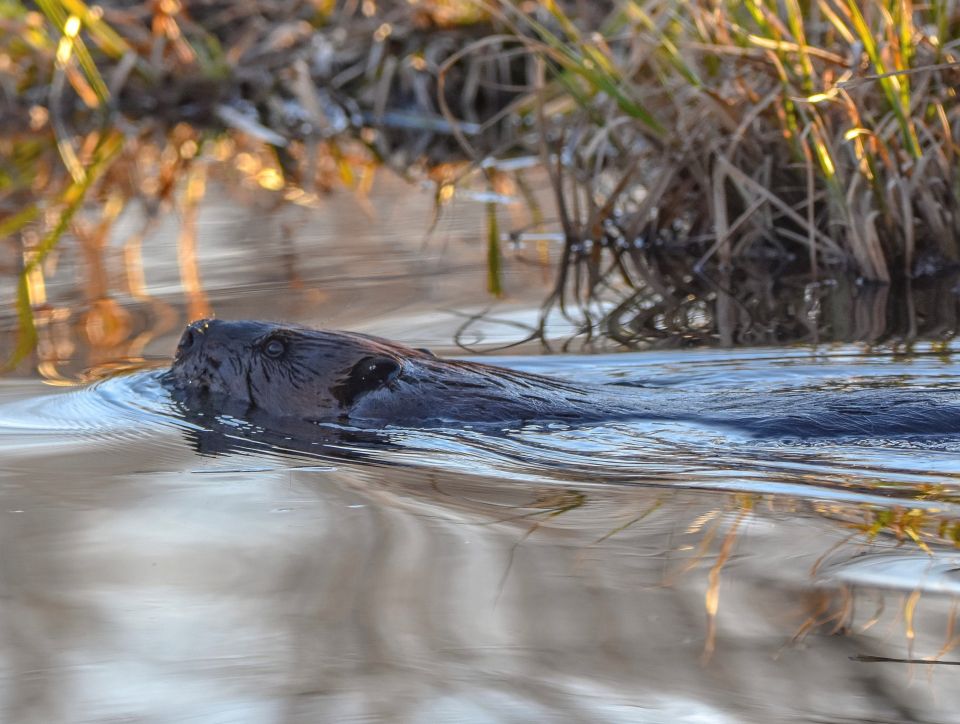
Beaver
A keystone wetland animal that plays a major role in shaping rivers and wetlands. Beavers build dams and lodges that slow water flow and create habitat for many other wetland animals. They feed primarily on bark and twigs of poplar and willow, as well as aquatic plants. Beavers oil their fur using castor glands, making it highly water-resistant. They are mostly active at dusk and dawn. A loud tail slap serves as a warning signal.
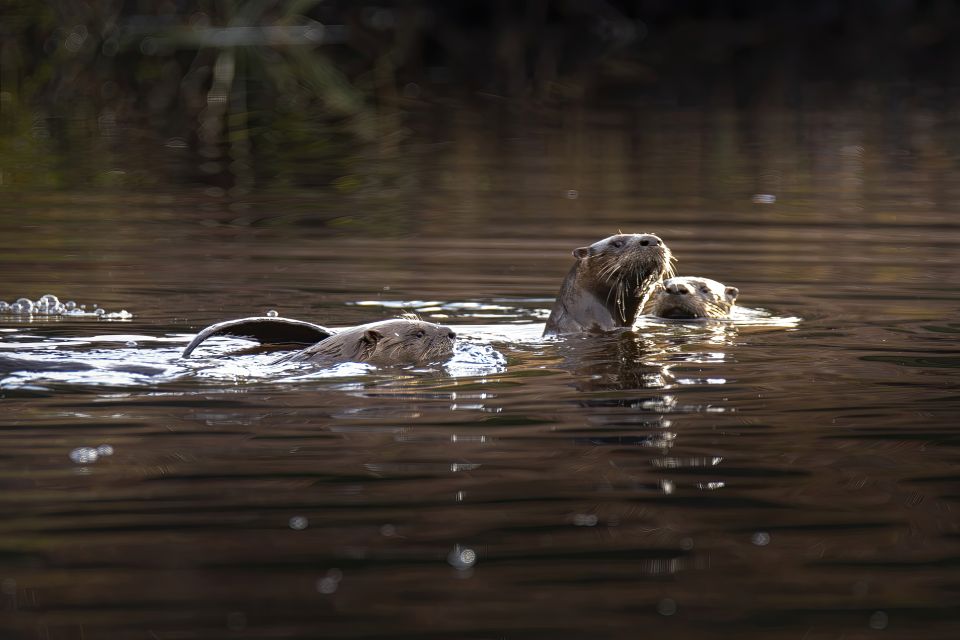
River Otter
Highly aquatic wetland mammals known for agility and playfulness. Otters feed on fish, crayfish, amphibians, and other aquatic prey. They have dense fur that traps air for insulation in cold water. River Otters use long stretches of shoreline within their territories. Sliding down muddy or snowy banks is part of their normal movement. Their presence indicates healthy wetland ecosystems.
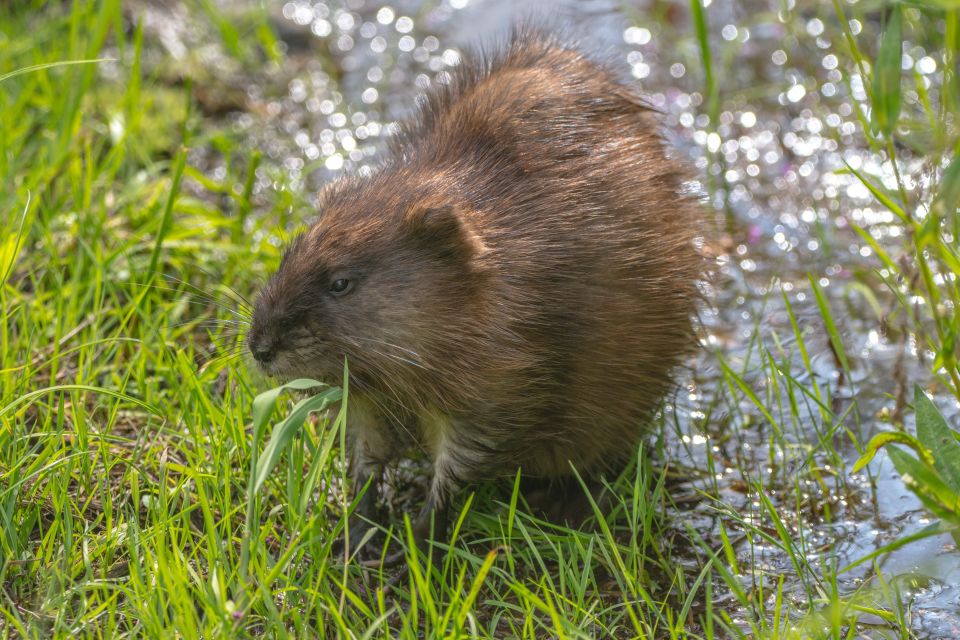
Muskrat
Medium-sized wetland rodents often mistaken for small beavers. Muskrats feed mainly on aquatic vegetation but will also eat freshwater mussels. They construct lodges or bank burrows with underwater entrances. Shell piles, or middens, left at feeding sites are common shoreline signs. Muskrats are active year-round. Their narrow, laterally flattened tail distinguishes them from beavers.
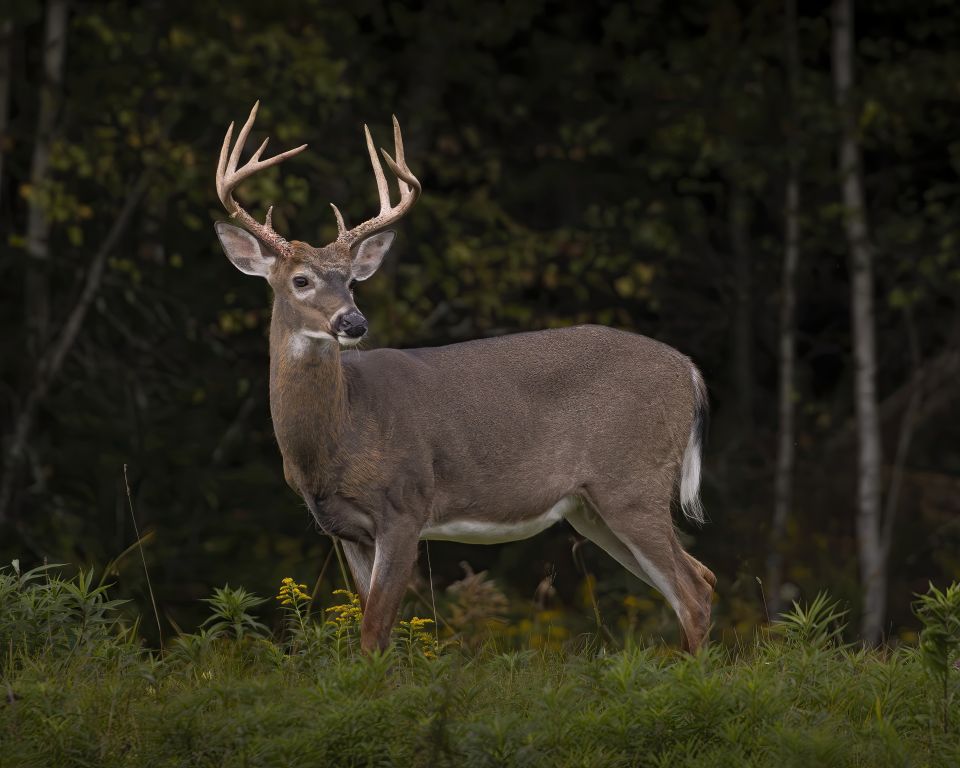
White-tailed Deer
Common wetland-edge browsers found along riverbanks and floodplain forests. Deer feed on leaves, shrubs, grasses, and agricultural crops. Seasonal coat colour changes help them adapt to summer and winter conditions. Males grow and shed antlers annually. Fawns are born in late spring and conceal themselves in vegetation. Deer activity peaks at dawn and dusk.
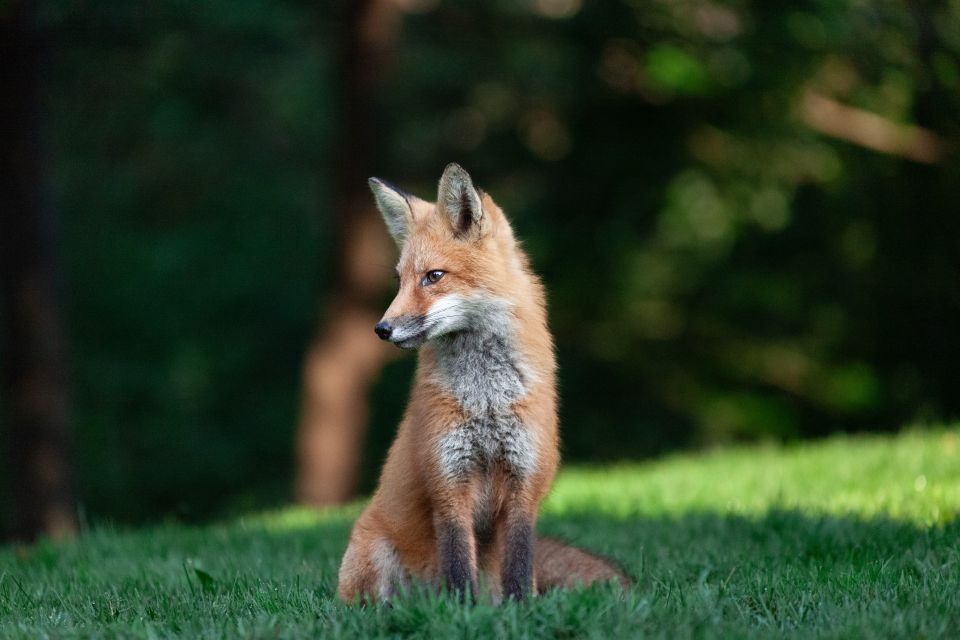
Red Fox
A highly adaptable mammal often found near wetlands and open areas with cover. Foxes feed on small mammals, birds, insects, fruit, and carrion. They form breeding pairs in winter, with pups born in spring. Foxes use a network of dens and may change den sites annually. Mostly active at twilight, they are occasionally seen during daylight. Their keen senses make them efficient hunters.
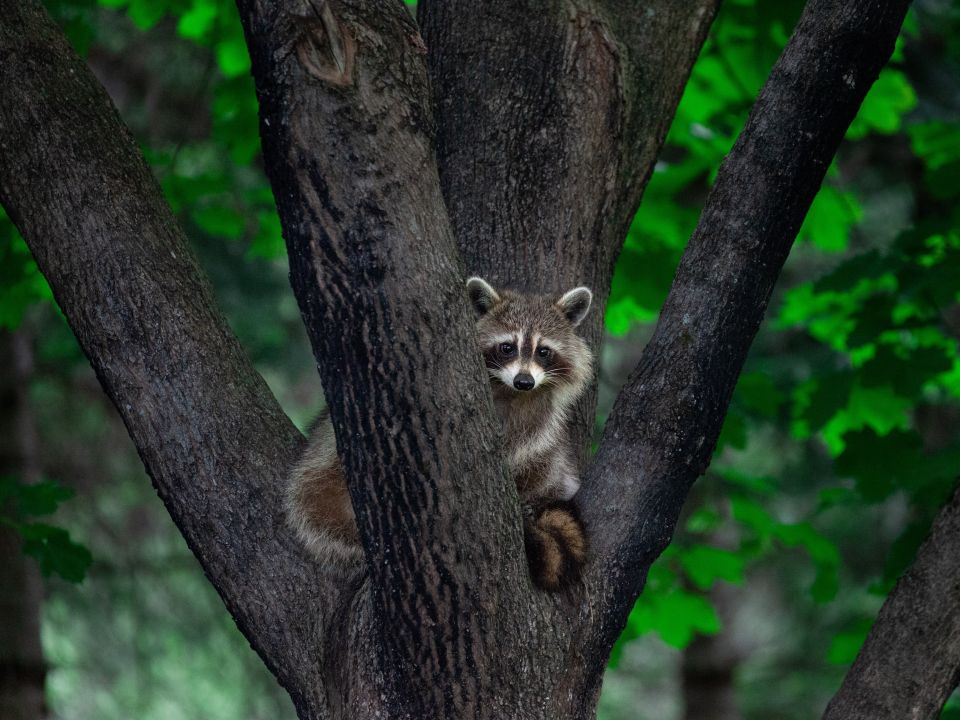
Raccoon
Omnivorous wetland mammals well adapted to river and lake environments. Raccoons feed on mussels, eggs, insects, berries, and small vertebrates. Their dexterous forepaws allow them to open shells and manipulate food. They den in hollow trees, burrows, and human structures. Mostly nocturnal, they may forage during the day when food is abundant. They can carry diseases, so distance is important.
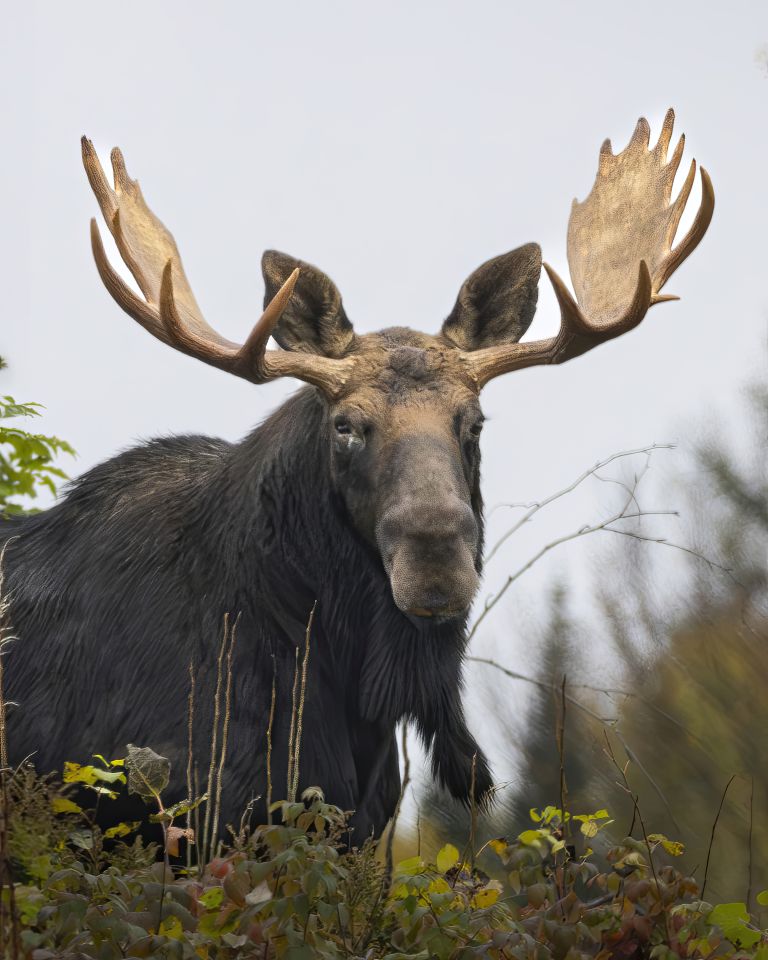
Moose
The largest wetland-associated land mammal in the watershed. Moose feed heavily on aquatic vegetation during summer, which provides minerals lacking in terrestrial plants. They are strong swimmers and can submerge while feeding. Moose shed and regrow their antlers annually. Activity peaks in early morning and evening. Cows with calves are particularly defensive.
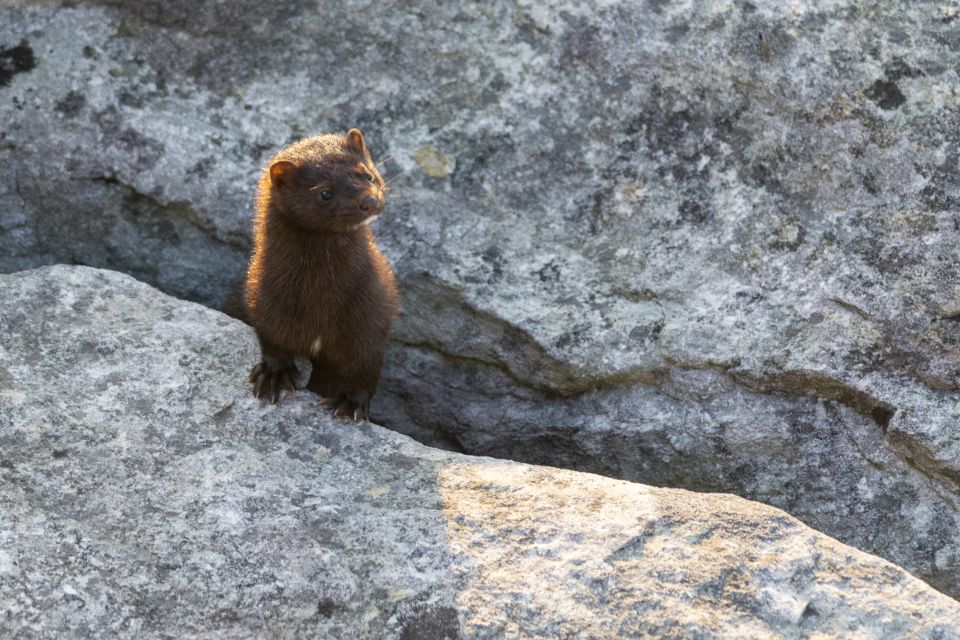
Mink
Small but fierce wetland predators from the weasel family. Mink prey on fish, frogs, birds, rodents, and eggs. They are excellent swimmers despite lacking webbed feet. Mink fur was historically valued in the fur trade. They are typically solitary and mostly nocturnal. Brief daytime sightings are not uncommon along shorelines.
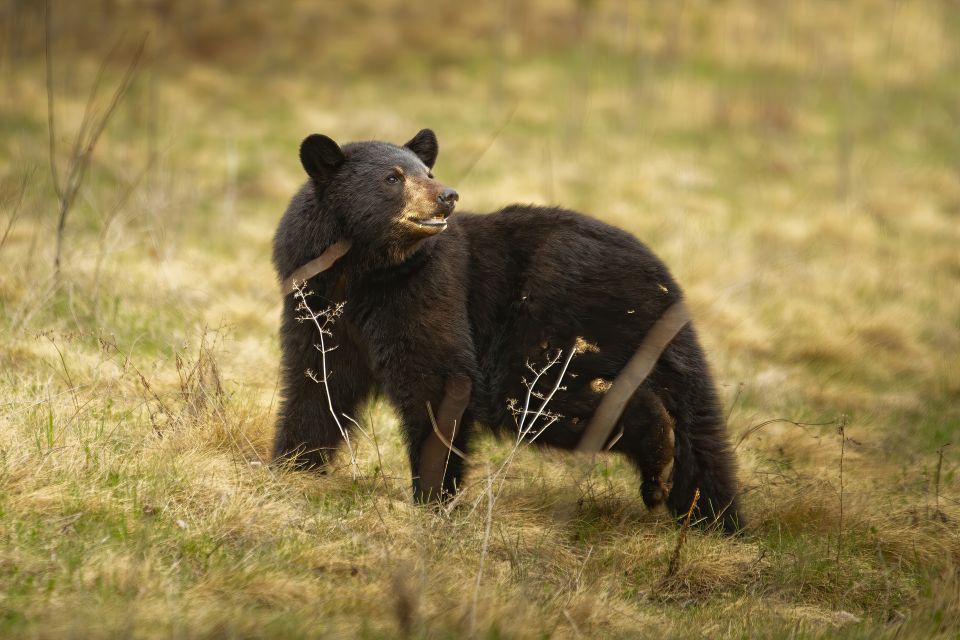
Black Bear
Large omnivorous mammals that occasionally use wetland and river corridors. Black Bears feed mainly on plant material, berries, insects, and carrion, with fish occasionally included. They rely on keen smell more than eyesight. Bears may travel long distances in search of seasonal foods. Human encounters increase where food sources overlap. Always observe from a safe distance.
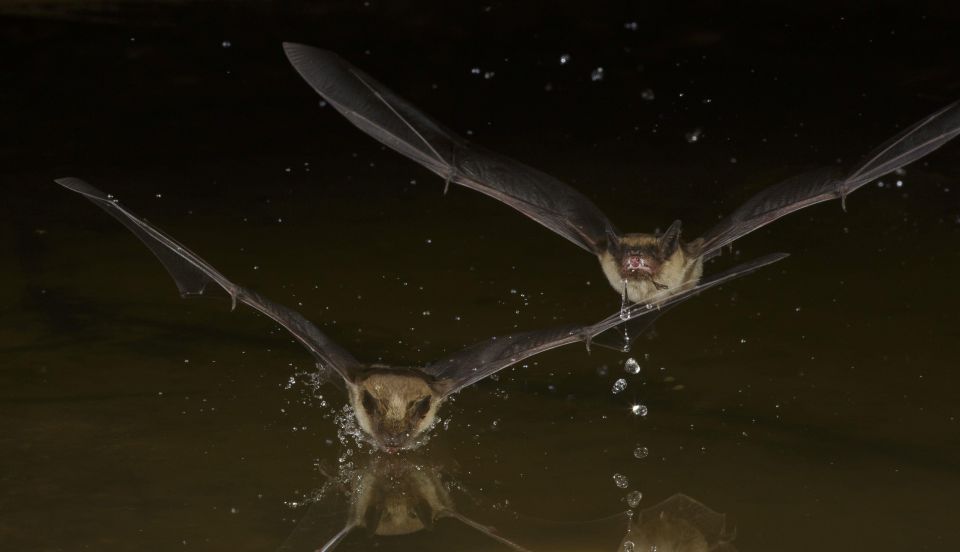
Little Brown Bat
Small wetland-associated insect-eating bats commonly found near water at dusk. They consume large numbers of mosquitoes and other flying insects. Bats navigate and hunt using echolocation. Populations have declined sharply due to White-nose Syndrome affecting winter hibernation sites. They roost in trees, buildings, and caves. Evening paddles often coincide with peak activity.
Turtles
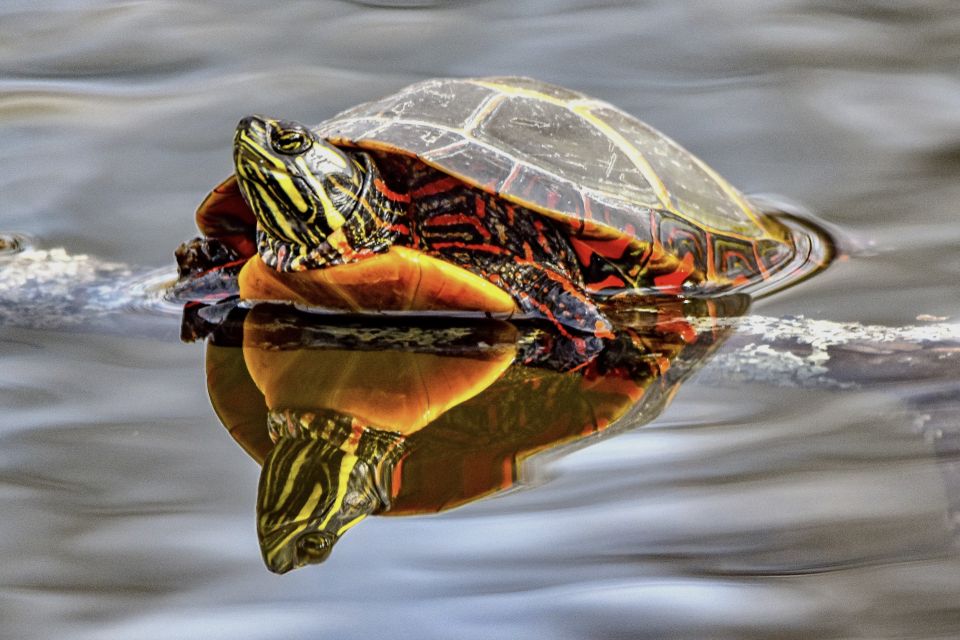
Eastern Painted Turtle
A common wetland turtle seen basking in slow-moving waters. Painted turtles feed on insects, small fish, aquatic plants, and carrion. Basking helps regulate body temperature and aids digestion. Sex of hatchlings is influenced by nest temperature during incubation. They take many years to reach maturity and can live for decades. These wetland animals are protected under wildlife legislation.
Fish
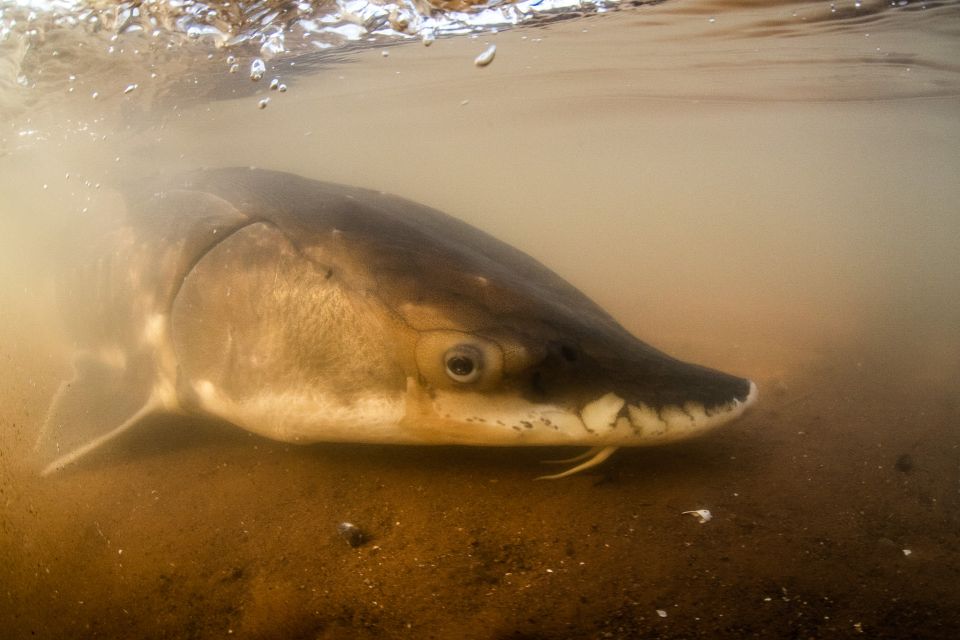
Sturgeon (Atlantic and Shortnose)
Ancient wetland-associated bottom-feeding fish that predate the dinosaurs. Sturgeon use whisker-like barbels to locate prey in sediments. They are long-lived and slow to mature. Spawning migrations are affected by dams and river barriers. Occasional surface jumps may be seen in warm months. Both species are protected.
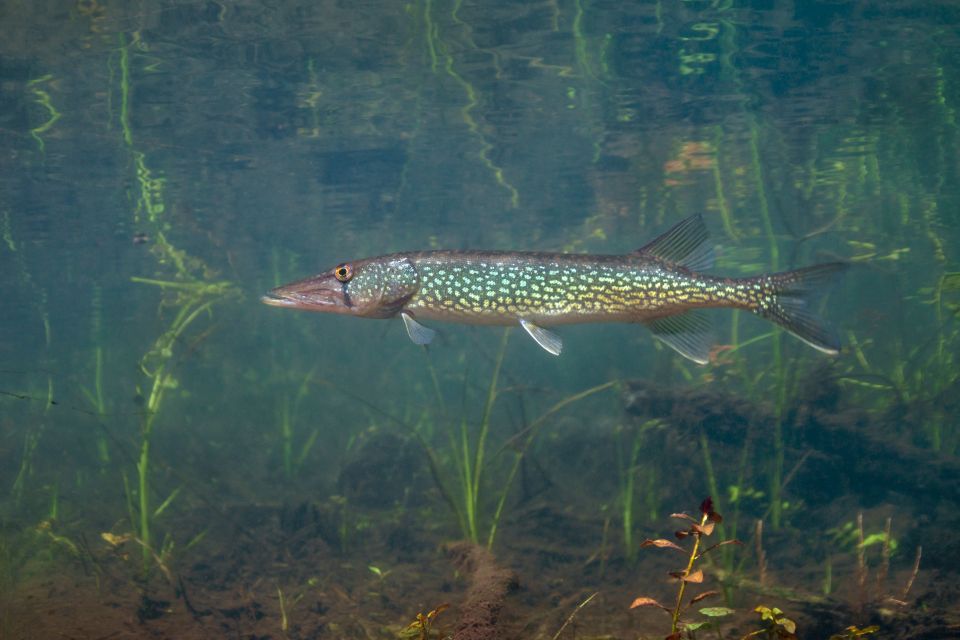
Chain Pickerel
An introduced wetland predator found in vegetated, slow-moving waters. Pickerel ambush prey using speed and camouflage. They feed on fish, amphibians, and small mammals. Their introduction has altered native wetland fish communities. They are active in warmer water temperatures. Managed through recreational fishing regulations.
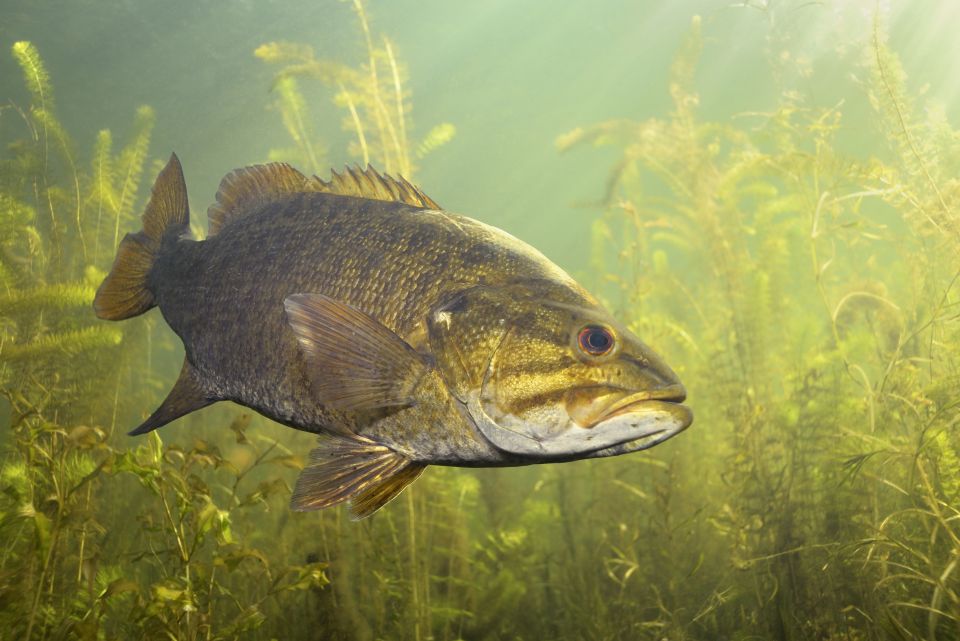
Smallmouth Bass
An introduced sport fish now widespread in wetland rivers and lakes. Smallmouth Bass feed on insects, crayfish, and smaller fish. Males guard nests aggressively during spawning. They prefer rocky habitats and clear water. Their expansion has influenced native wetland fish populations. Often visible in shallow water.
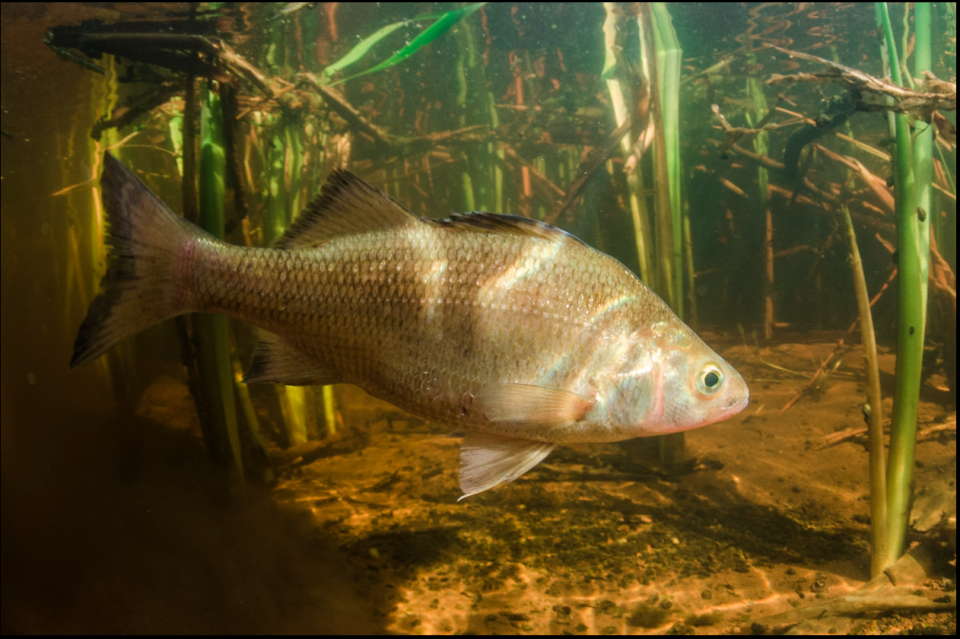
White Perch and Yellow Perch
Schooling wetland fish common along vegetated shorelines. White Perch tolerate brackish water, while Yellow Perch are true freshwater fish. Both feed on insects and small fishes. They reproduce quickly and are important prey species. Their schooling behaviour makes them easy targets for predators. Popular with anglers.
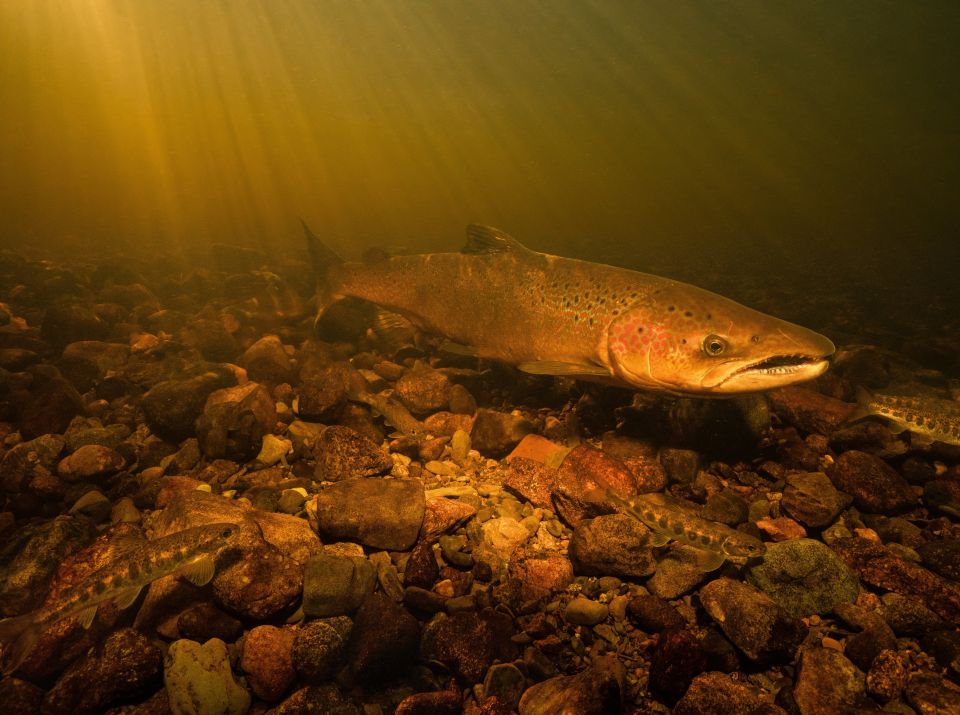
Trout and Atlantic Salmon
Native cold-water wetland fish closely tied to clean, oxygen-rich streams. Trout and juvenile salmon feed on insects and small fish. Atlantic Salmon are anadromous, migrating between river and ocean. Juveniles spend several years in freshwater before migrating to sea. Populations have declined significantly. Atlantic Salmon must be released if caught.
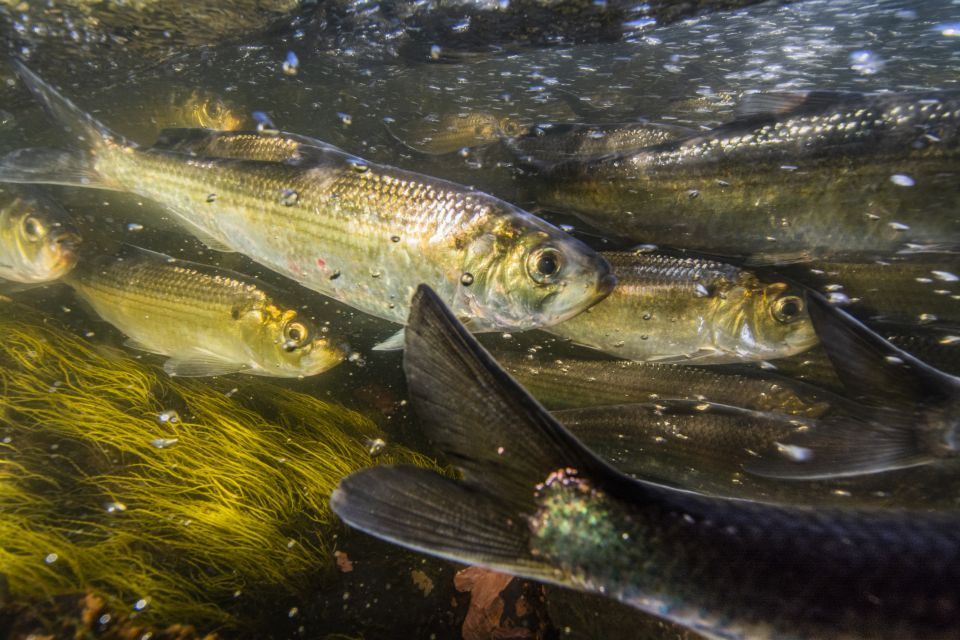
Gaspereau (Alewife and Blueback Herring)
Migratory wetland fish that move from ocean to freshwater to spawn. Their runs bring marine nutrients into wetland ecosystems. They provide an important food source for birds, mammals, and fish. Alewives prefer lakes, while Blueback Herring spawn in moving water. Most adults return to the ocean after spawning. Their migrations are among the largest seasonal events in the watershed.
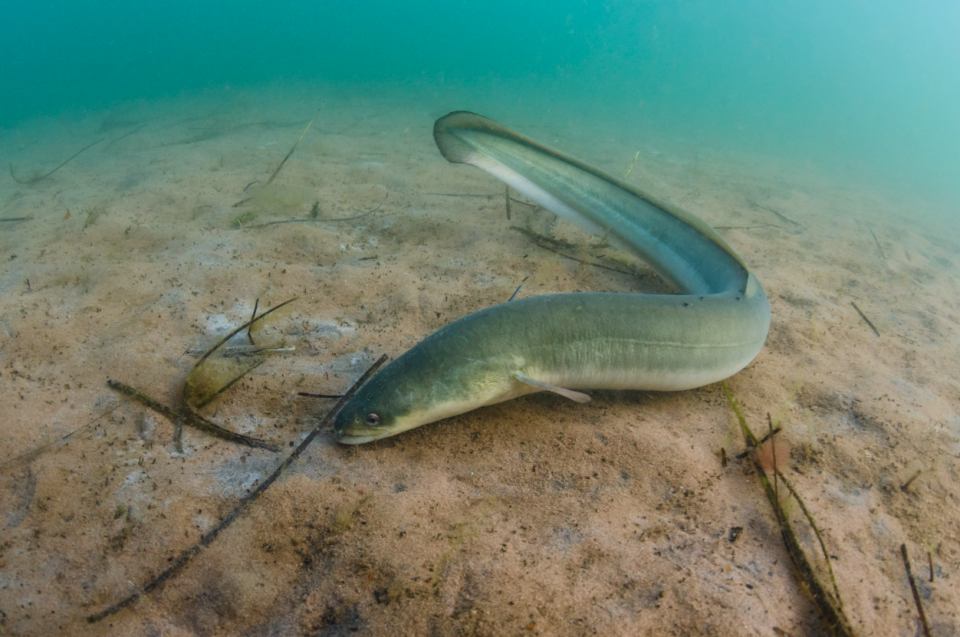
American Eel
Catadromous wetland fish that live in freshwater and spawn in the ocean. American Eels breathe partly through their skin, allowing overland movement. They feed on fish and aquatic insects. Spawning occurs in the Sargasso Sea. Eels migrate upstream as juveniles and downstream as adults. Their life cycle is still not fully understood.
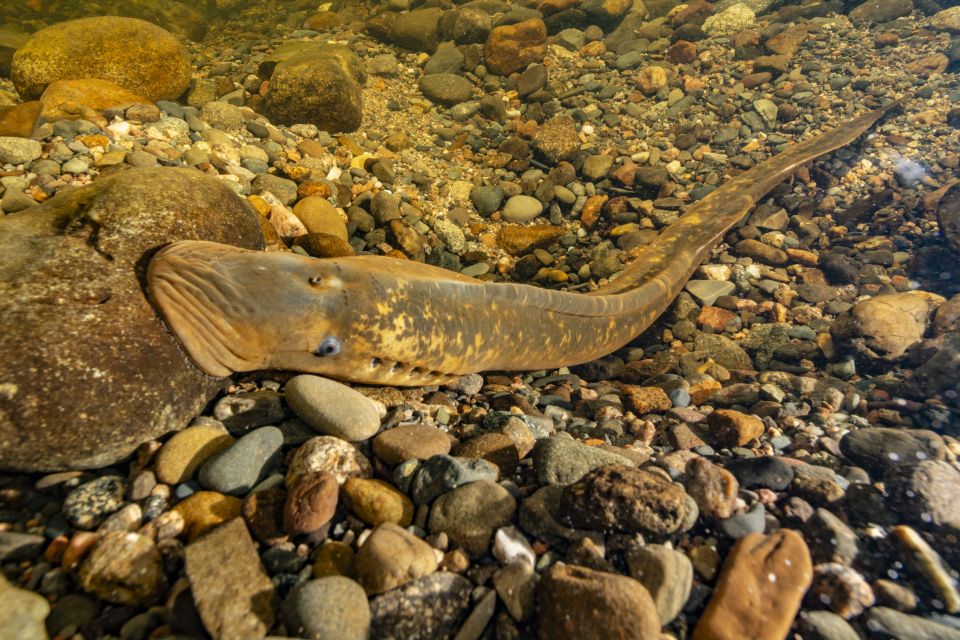
Sea Lamprey
Primitive jawless wetland fish native to the river. Juveniles live buried in sediment as filter feeders for several years. Adults become parasitic, attaching to fish with a suction-like mouth. They build gravel nests similar to salmon redds. Lampreys die after spawning, enriching the ecosystem with nutrients. Despite their appearance, they play an important ecological role.
Please enjoy wetland animals from a distance
Enjoying wetland animals while paddling is about quiet observation and respect. Move slowly, speak softly, and give animals enough space to continue feeding, resting, or caring for their young. Let animals set the distance—if one changes its behavior, you are too close. Avoid blocking shorelines, nests, or travel routes, and never feed or approach animals. Paddle calmly and let encounters unfold naturally to see more wildlife and keep the river safe for everyone.